
Kiwi avoidance training is the best practice option to ensure your dog will be less likely to pursue and harm wild kiwi, and is required for any dogs taken into Tongariro, Erua, and Rangataua forest hunting areas.
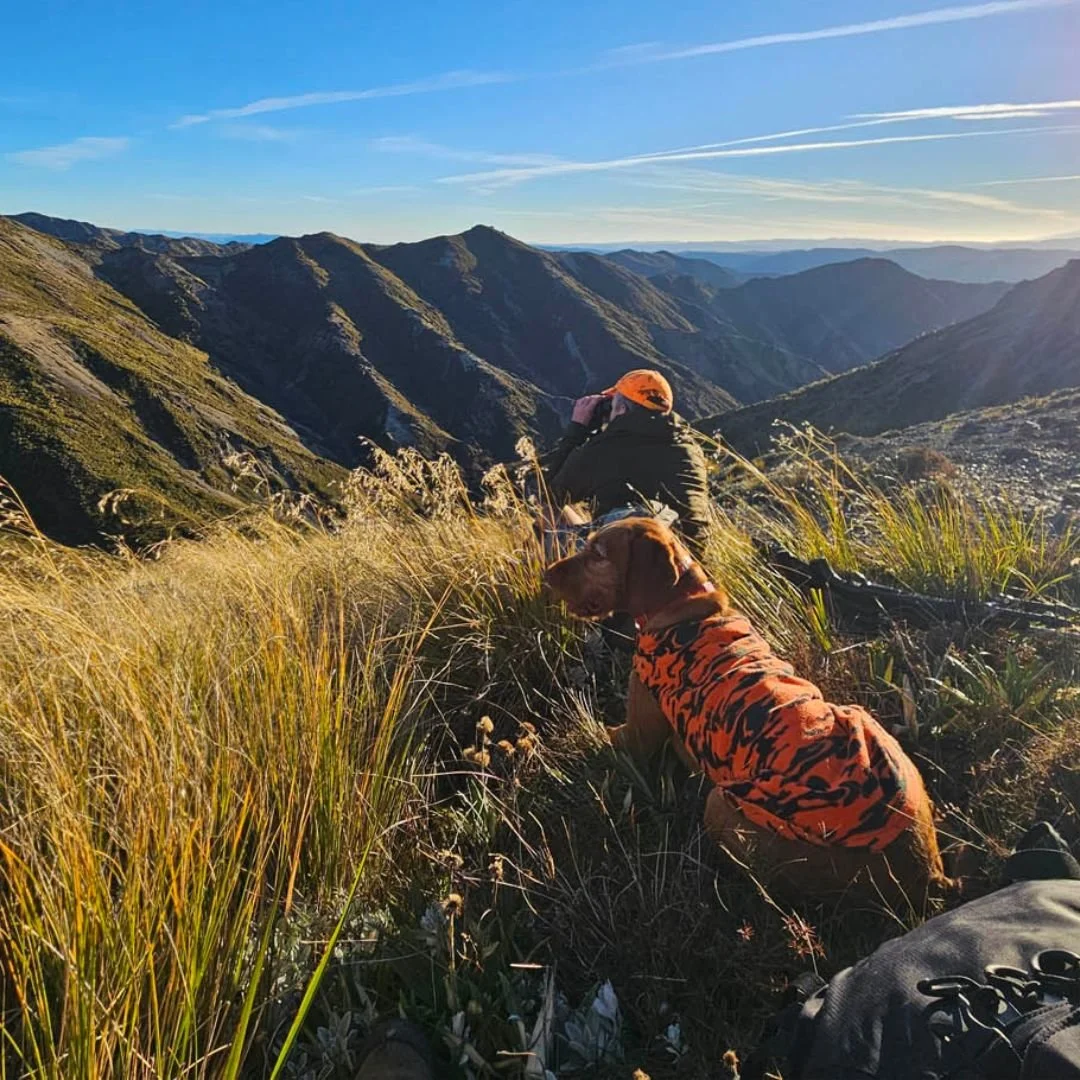
Bookings are essential and can be done through the Kiwi Avoidance Training website. Please select Joe Metekingi as the trainer and reserve your 15 minute time slot per dog.
Joe Metekingi is an endorsed kiwi avoidance trainer. Spaces are limited and admission prices must be paid on or before the day of training. Please keep all dogs in your vehicles until it is time to undertake the training.
The Kiwi Avoidance Training programme is a partnership between Save the Kiwi and the Department of Conservation, established in 1996. For more information about Kiwi Avoidance Training and to book a session in your region, visit www.kiwiavoidancetraining.nz
DETAILS
Duration: 15 minutes per dog
Max Participants: 35 dogs
Meeting Place: Ōwhango Domain, Okioi Road, Ōwhango 3990
Cost: $10 per dog
Participants are asked to bring
Dog on leash
Previous certification copies (if you have them)
DOC hunting permit (a new one can be issued on the day if required)
DOC Dog Permit (a new one can be issued on the day if required)
To ensure a safe and enjoyable experience, the trip leader reserves the right to refuse anyone who is insufficiently equipped.
This experience is made possible thanks to




Supporting Mahi Aroha
We try to keep costs as low as possible so everyone can enjoy the Mahi Aroha Summer Programme. Behind the scenes, our wonderful staff and volunteers contribute countless hours to make each trip a great experience. If you’re able, please consider adding a small donation to your booking to support the ongoing delivery of this programme.
Check, Clean, Dry to stop the spread
Getting outdoors is a fantastic way to explore New Zealand, but it’s important to check, clean, and dry your gear to protect our natural environment. Check your boots, clothing, gear and equipment for weeds, seeds and pests, and clean thoroughly after each trip to prevent the spread of invasive species.
For more info and tips, visit the MPI website